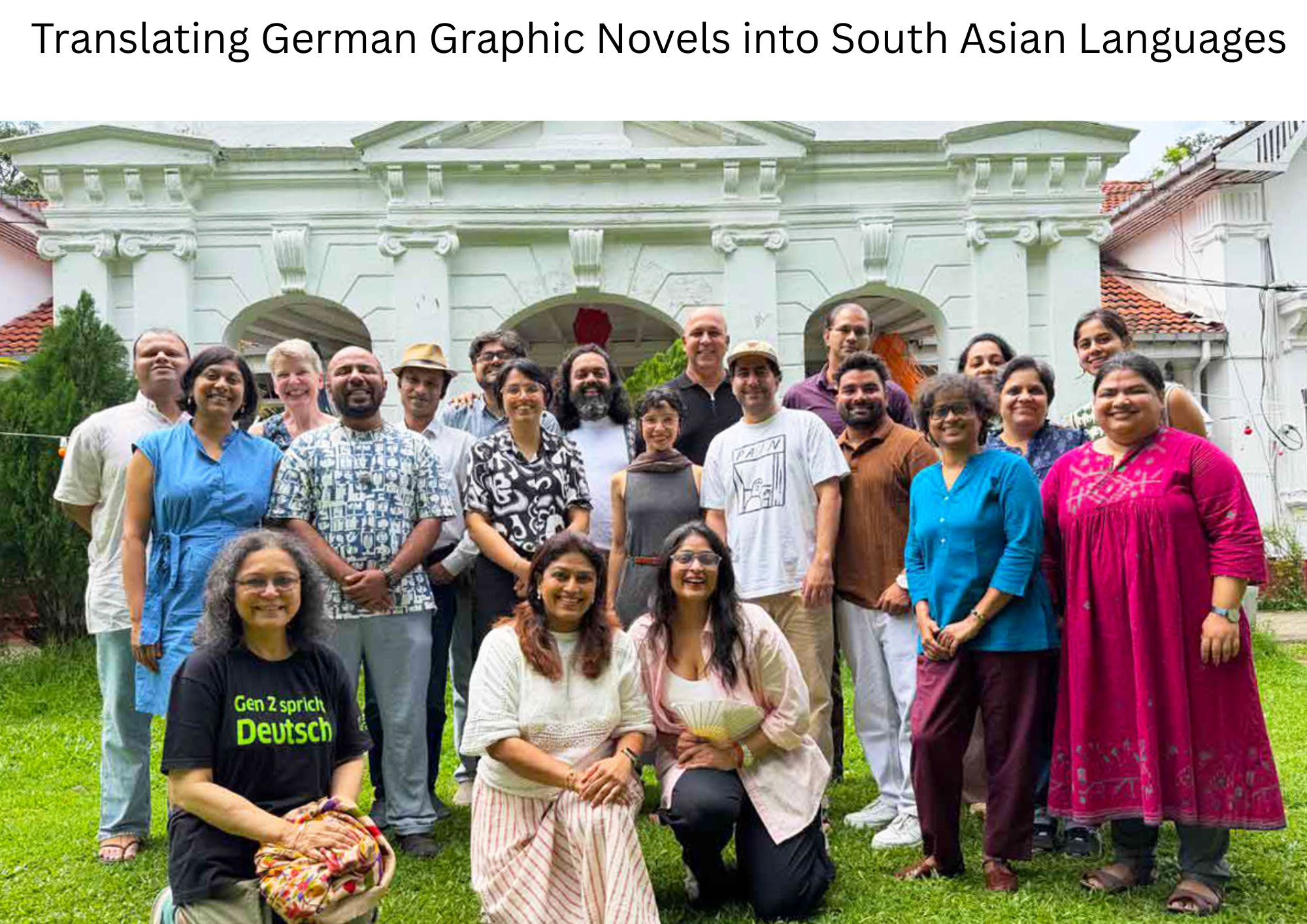
Colombo, Sri Lanka | Goethe-Institut |
In 2019, I left my job at a newspaper to start an independent comic book publishing house from a rooftop studio. If someone had told me then that Cartoon People would one day be recognised as an independent comics publisher from South Asia and invited to take part in a Goethe-Institut project called Graphic Passages, I probably wouldn’t have believed them.
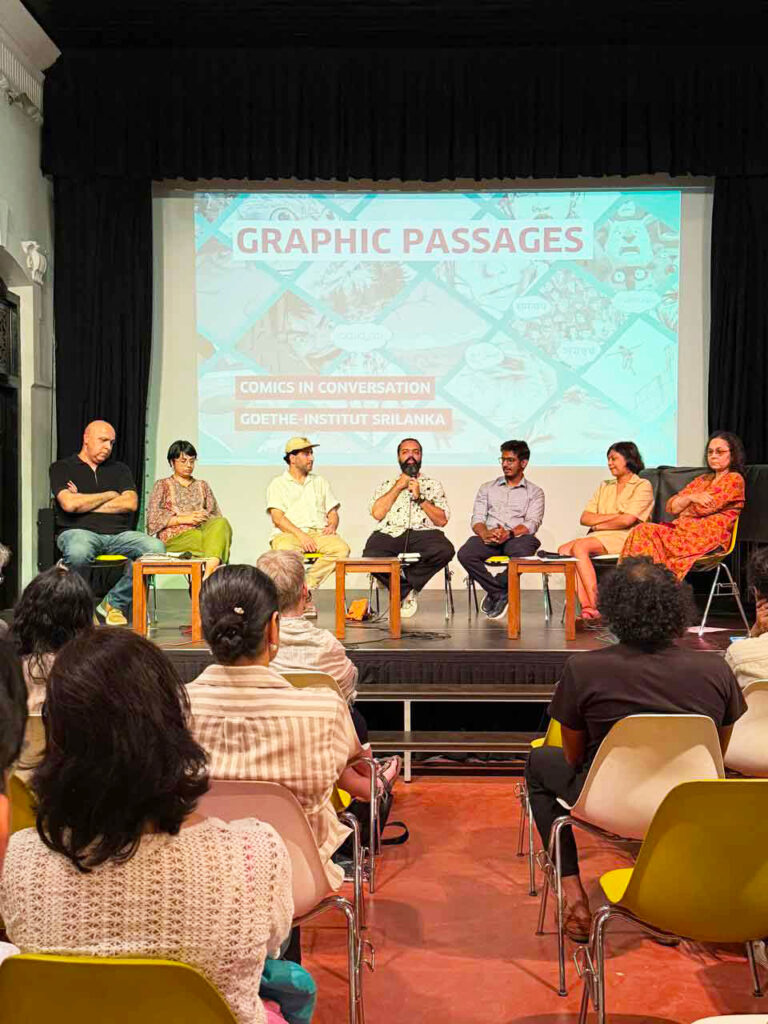
But there I was, on a plane to Sri Lanka, heading to a four-day workshop at the Goethe-Institut in Colombo.The project, Graphic Passages: Translating German Graphic Novels into South Asian Languages, brought together comics creators, translators and publishers from Bangladesh, India, Pakistan, Sri Lanka and Germany to explore how graphic novels travel across languages and cultures. It aimed to encourage exchange between the comics scenes of Germany and South Asia through translation and collaboration. I was invited as an anchor and facilitator, drawing on my experience as a comic book artist, editor and independent publisher.
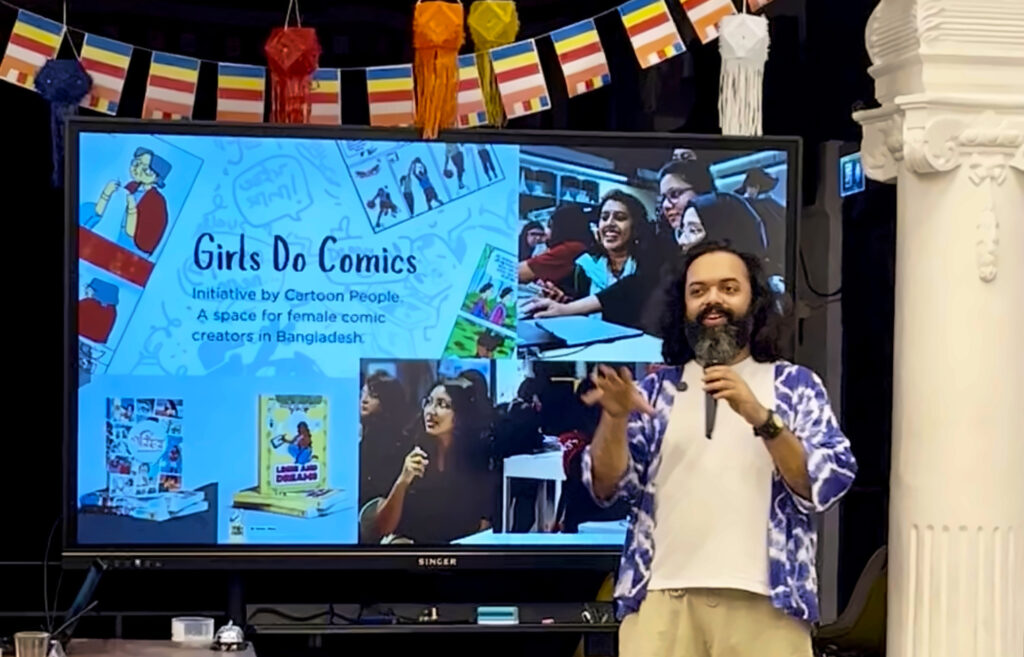
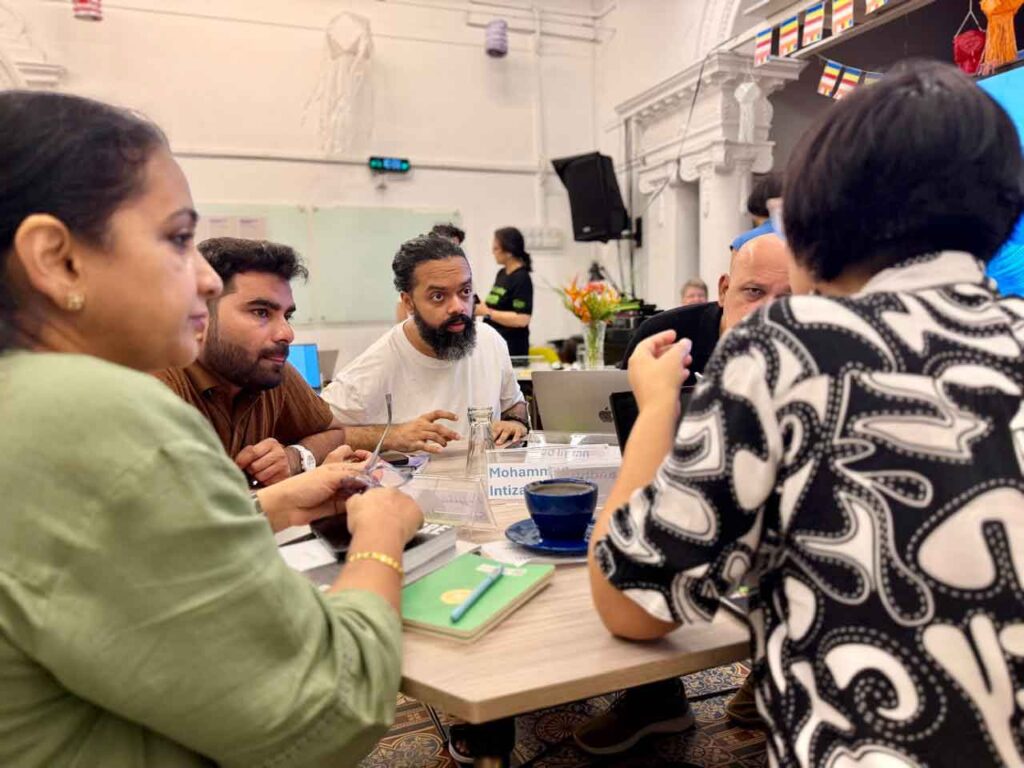
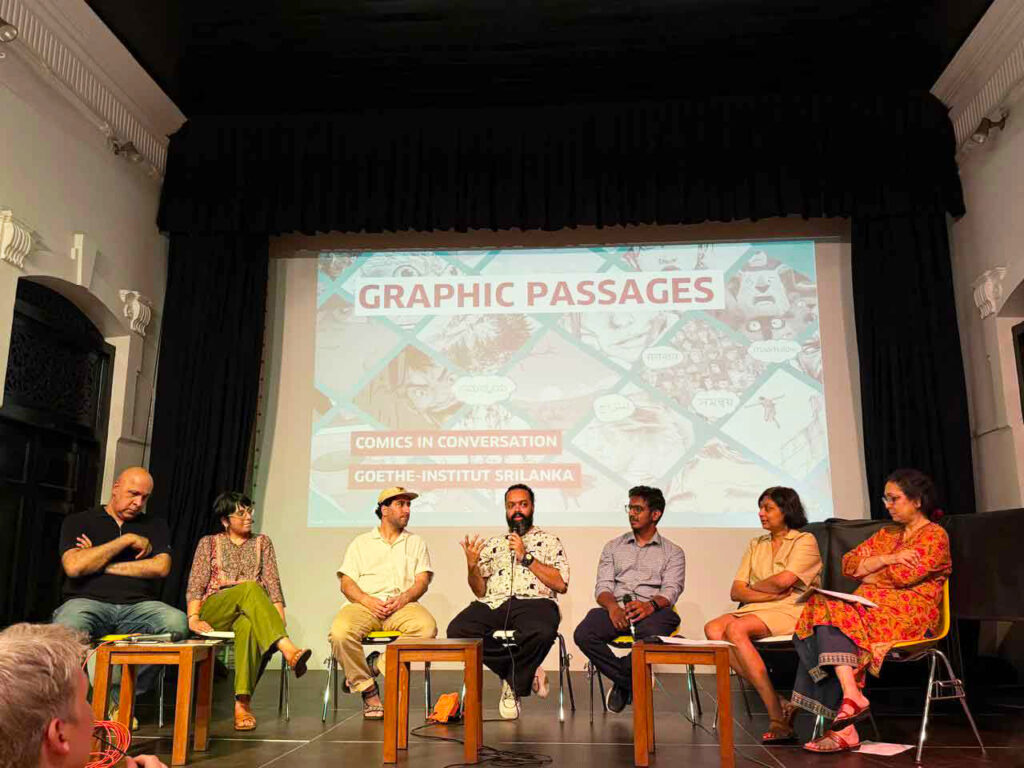
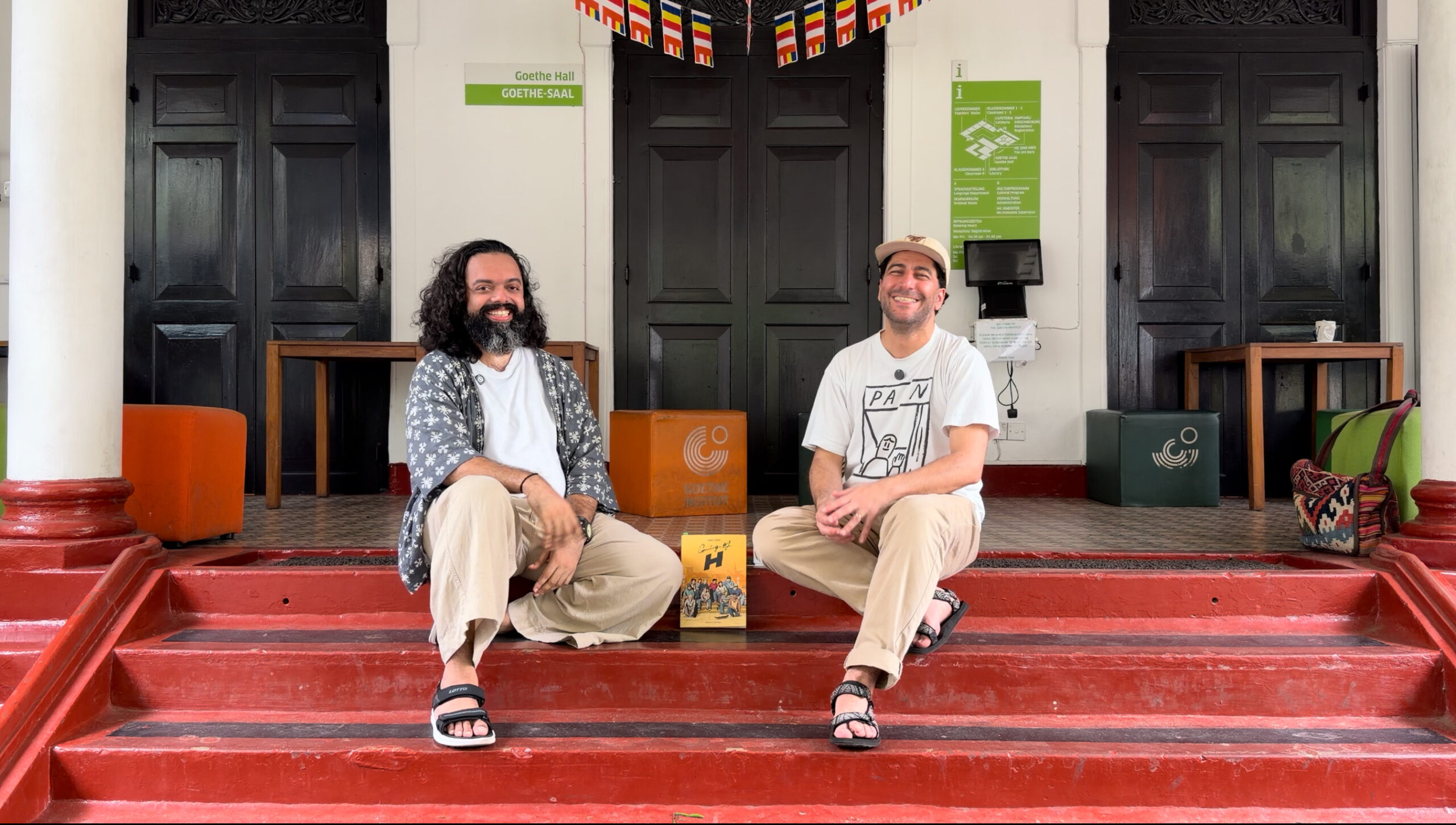
The conference took place at Grassmere, a beautiful colonial-era mansion in Colombo that houses the Goethe-Institut, where we spent the next four days.
I think I was the only participant wearing three hats: artist, editor and publisher. That gave me a particular way of looking at a graphic novel, not just as a collection of images and words, but as a story with its own rhythm and structure, and eventually a life beyond the page.
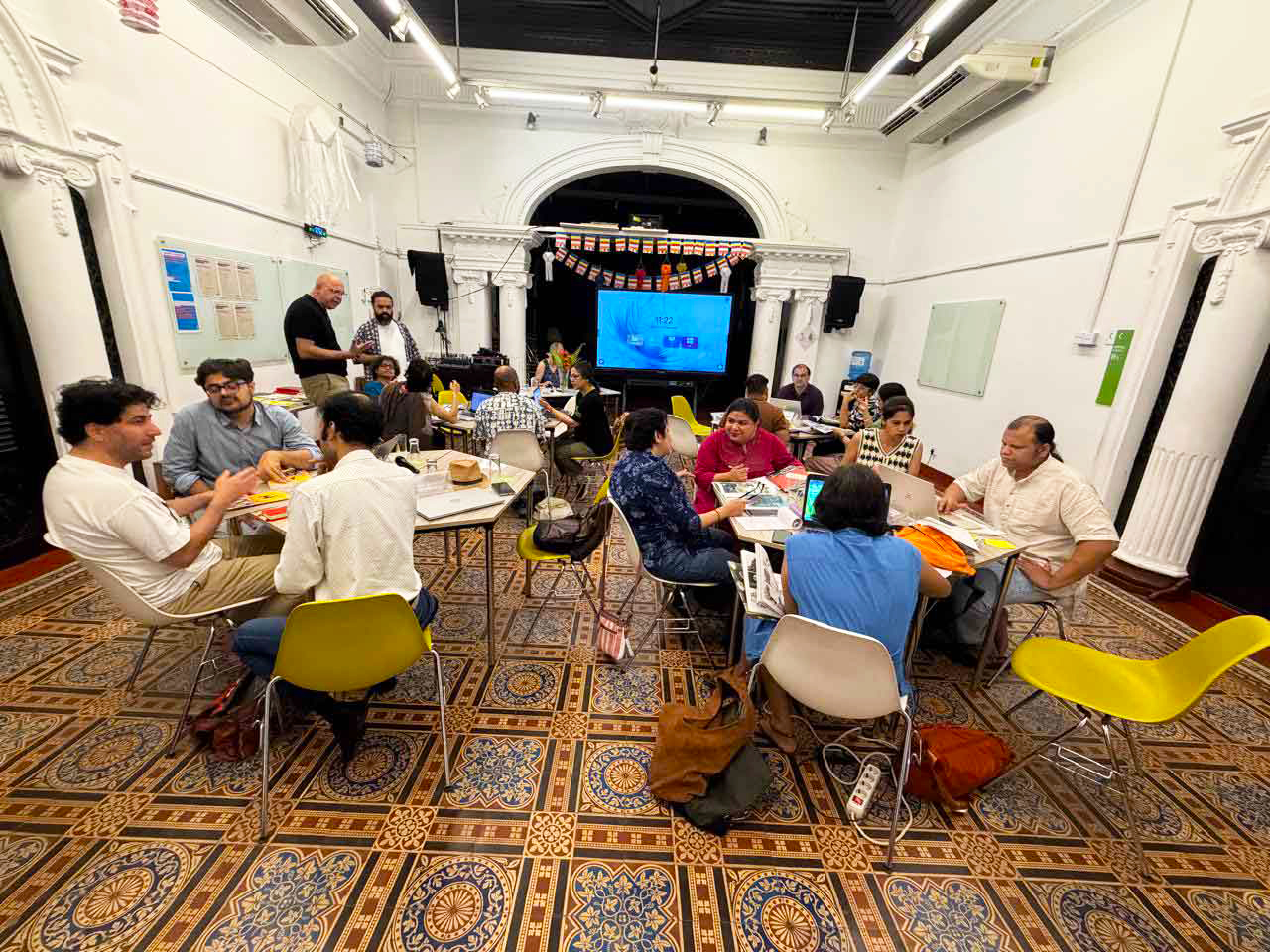
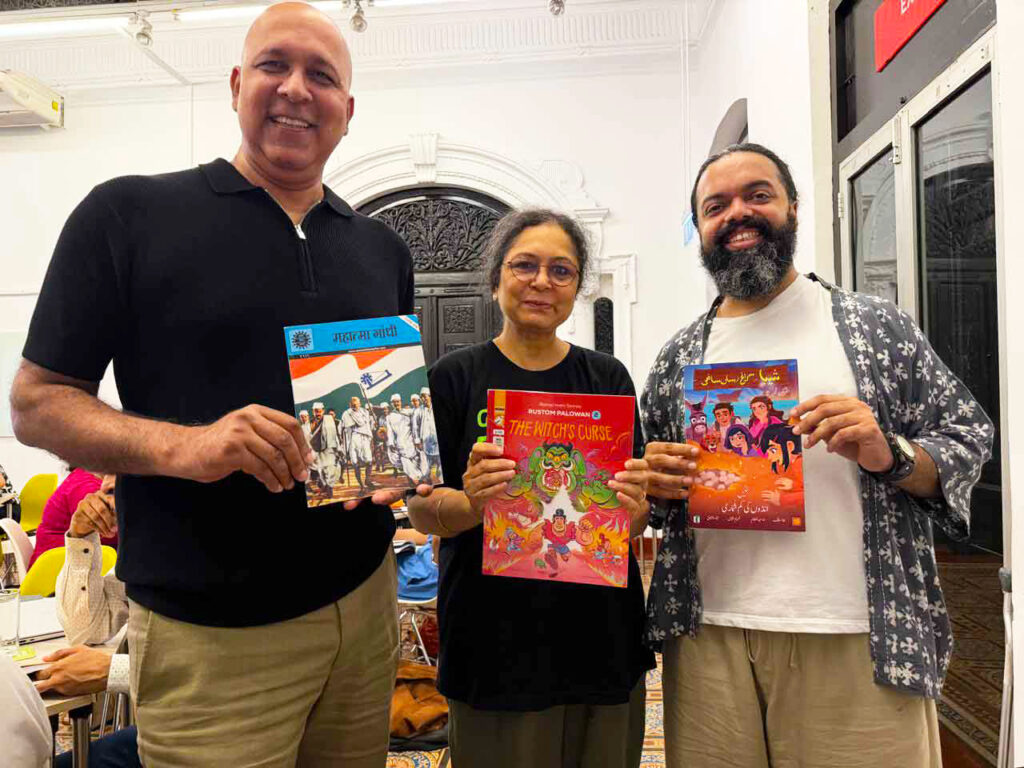
Alongside Indian comics creator Ikroop Sandhu, Pakistani publisher Imran Azhar, and German comics creators Bea Davies and Hamed Eshrat, I helped the South Asian translators understand comics as a storytelling medium. For many of them, this was their first time translating a graphic novel.
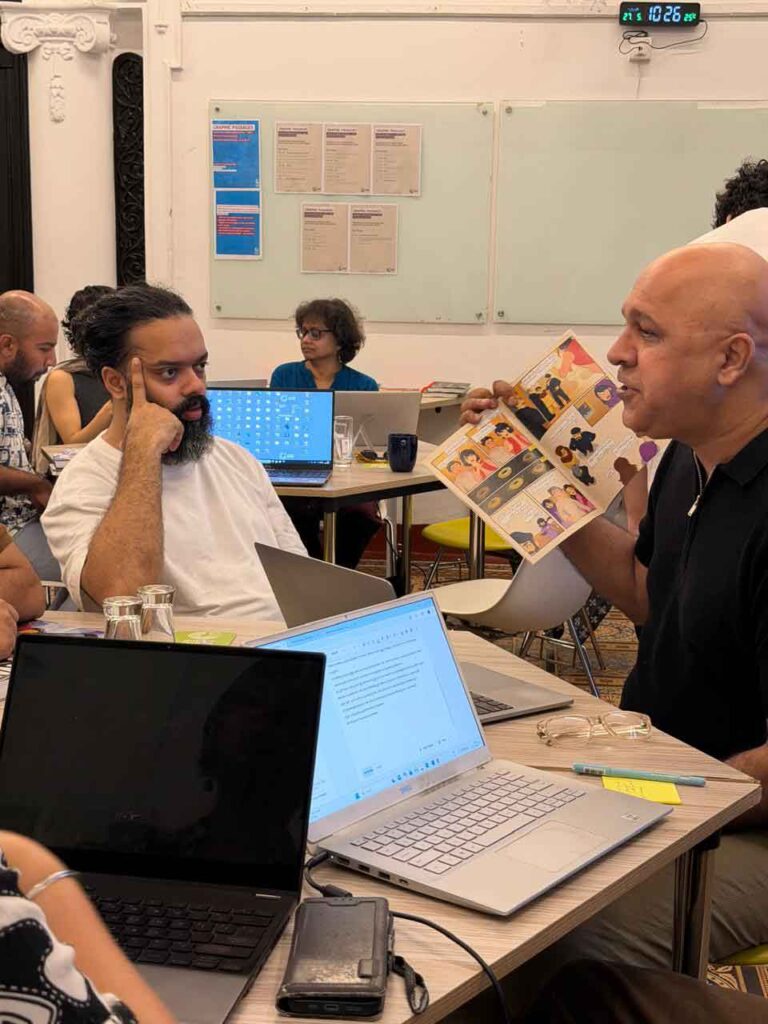
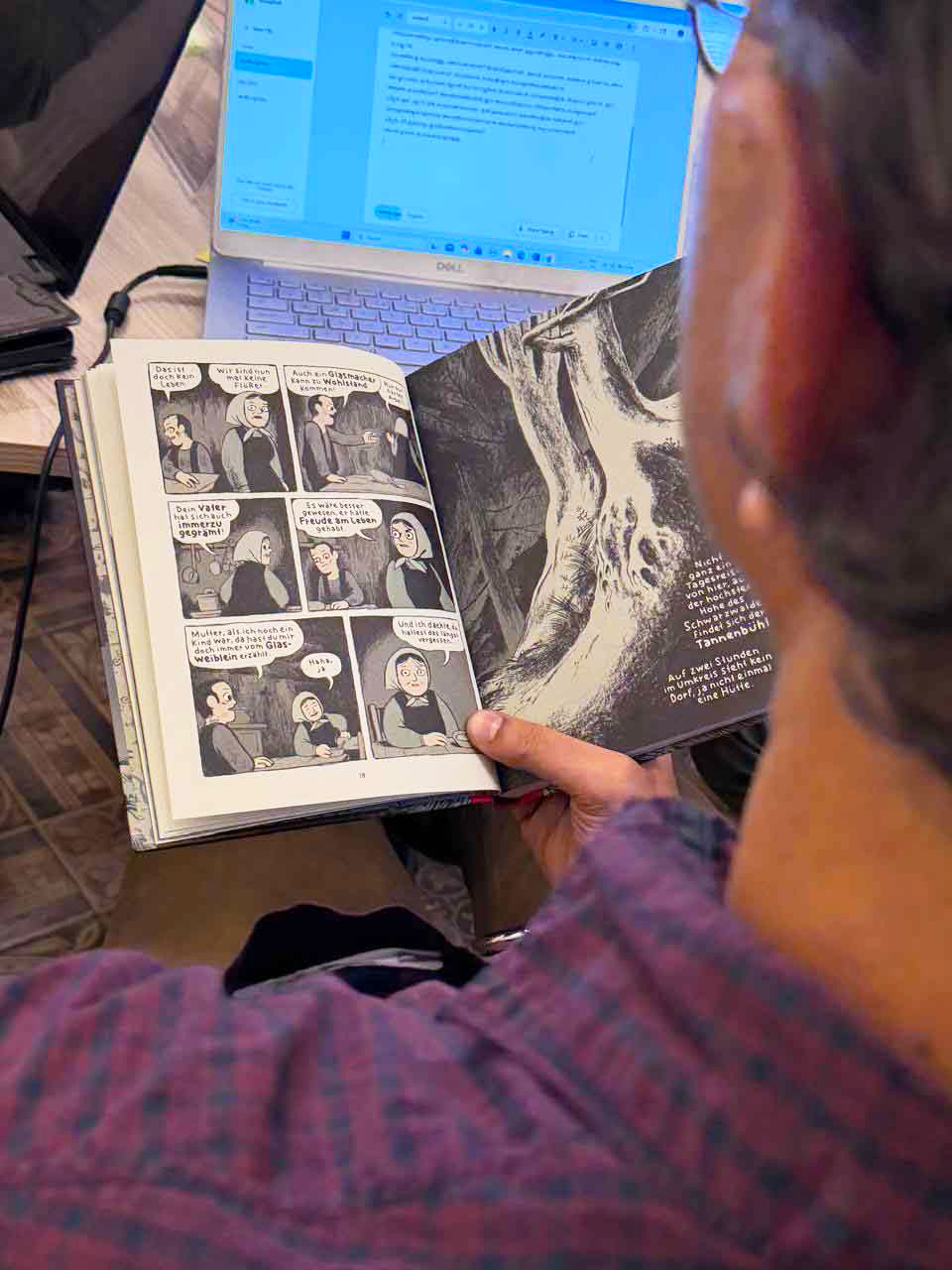
Translating comics is quite different from translating a conventional book. You have to understand how text, images, panels, expressions, sound effects and even the empty spaces between panels work together to tell a story. Over four days, we explored this through discussions, practical exercises and, most importantly, the graphic novels themselves.
What I didn’t know then was for the first time, a Bangladeshi independent comics publisher secured the rights to translate and publish a graphic novel from an established German publisher. Cartoon People acquired the rights to Super-GAU, a graphic novel by German comics artist Bea Davies, originally published by Carlsen Verlag.
Day 1: Reading comics across cultures
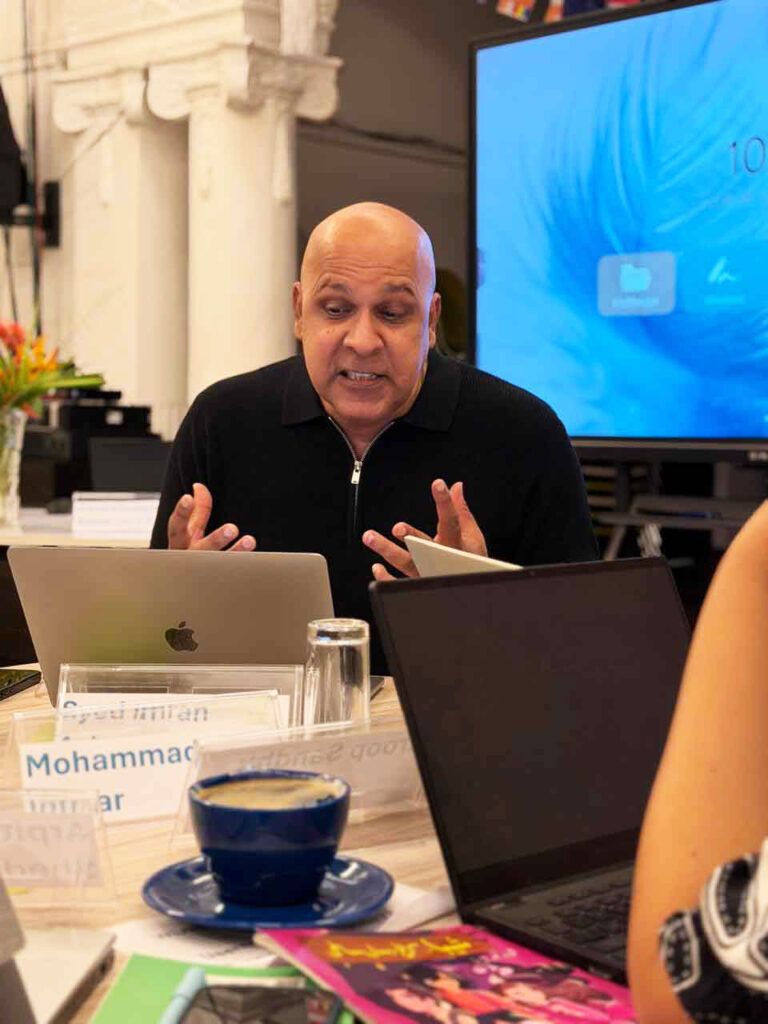
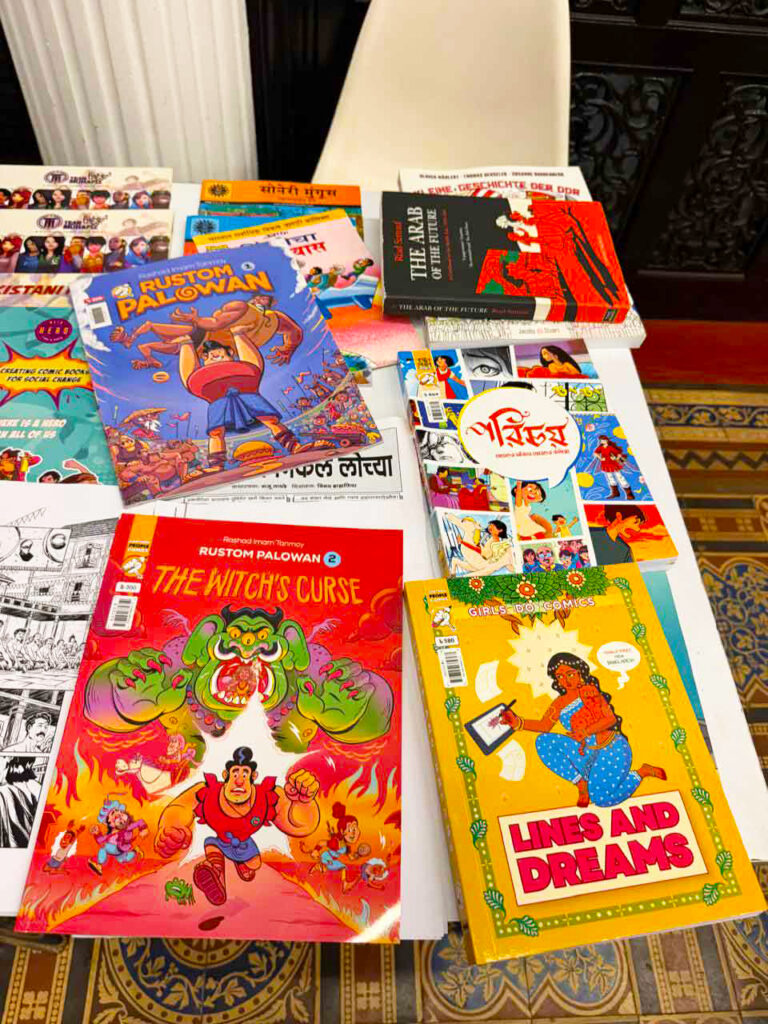
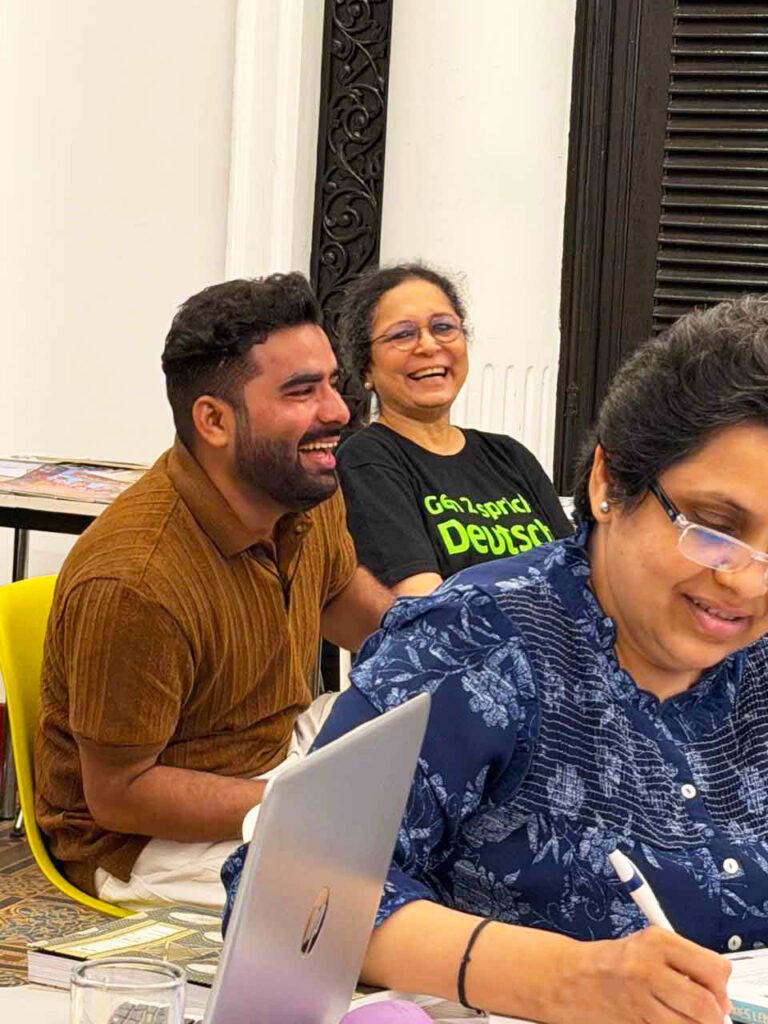
We began by sharing what we were doing in our own countries. Jayashree Joshi presented the German scene, while Imran and Ikroop spoke about Pakistan and India.
I talked about Cartoon People’s journey: how we started as a community of cartoonists and visual storytellers in 2016, and became a publishing house in 2022. The publisher grew out of something we had felt for years, the need for a place where our creators could publish their work and find readers.
We discussed how comics are made, published and received in each of our countries, and how culture shapes the way stories are told and understood. Later, we turned to Super-GAU, which became the centre of our translation work.
Days 2 and 3: The language of comics
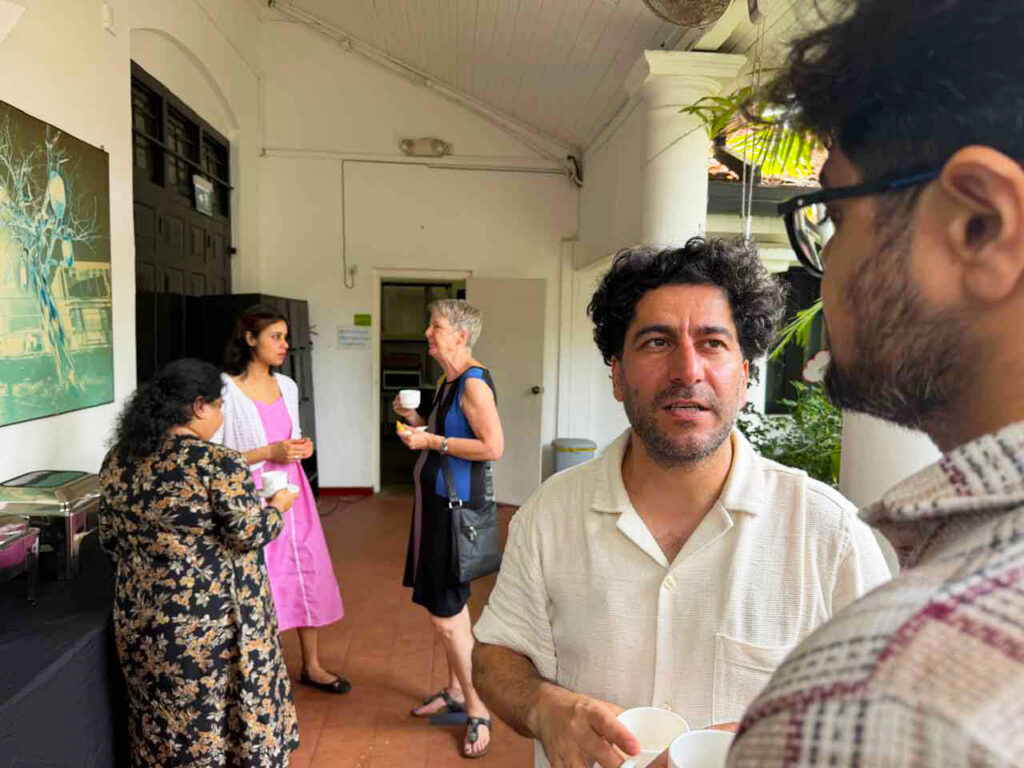
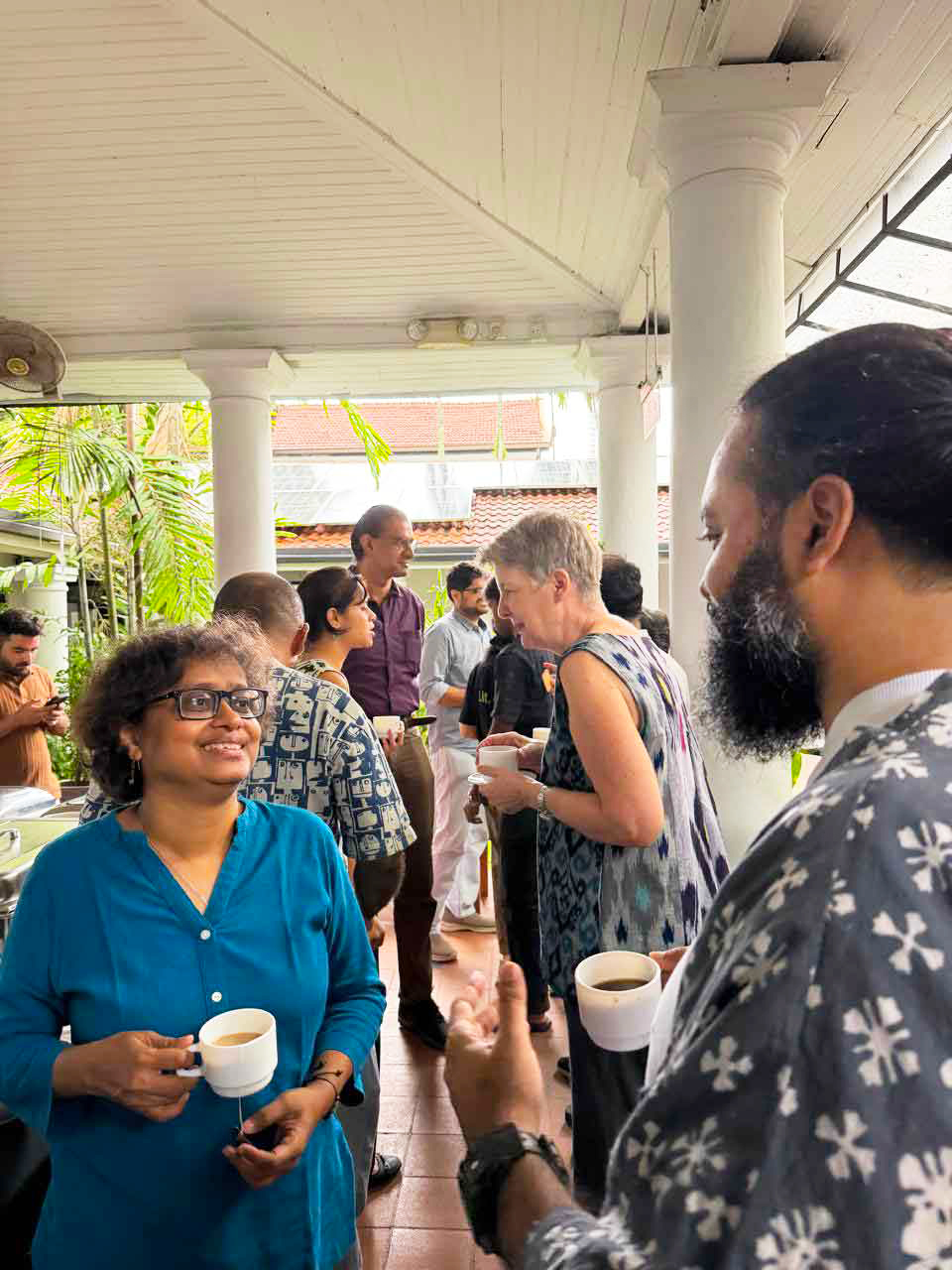
Between tea breaks, wonderful Sri Lankan food and long sessions, we got into the details.
Imran, Ikroop and I worked with the translators on the visual grammar of comics. We looked at how a panel can change the meaning of a sentence, how the shape and placement of a speech bubble affect the way we read, and how a sound effect can be as much a part of the artwork as the dialogue.
It was exciting to share what I had learned over the years, and just as rewarding to see the medium through the eyes of people meeting it this way for the first time. The best part for me was watching people start to read comics differently. They stopped seeing pictures with words attached and began to recognise a visual language with its own grammar, rhythm and conventions.
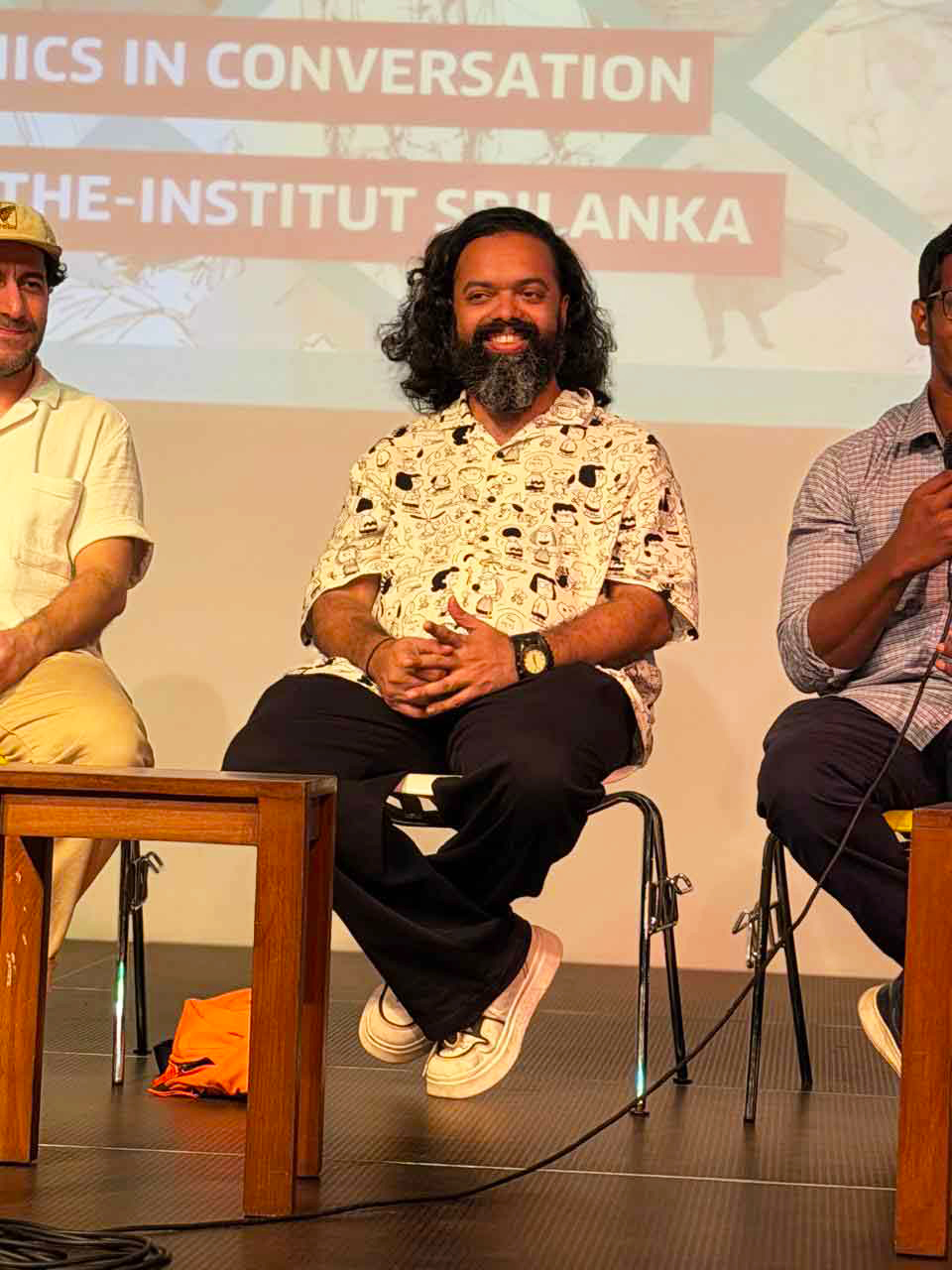
One of the most interesting discoveries came from the translation itself. Amrita Dhara, who is from Calcutta and now lives in Mumbai, was selected for translating Super-GAU into Bangla for Cartoon People. When we started, we both assumed we were translating into the same language, with a few small differences between Bangladesh and Kolkata. The deeper we went, the more we realised how much language is shaped by the lives we lead, the relationships we have and the cultures we grow up in.
Take tumi and tui. Depending on the relationship and context, one choice can mean affection, familiarity, disrespect or distance. Jokes and idioms were harder still. A literal translation might keep the words and lose the humour or the feeling.
And it wasn’t only about Bangla. Working across German, Bangla, Marathi and Telugu, we found ourselves negotiating entire cultural worlds, not just looking for equivalent words. Strangely, English became our common language for discussing translations into languages that weren’t English.
Day 4: Beyond the workshop
At my request, the programme included a networking gathering called Translating Ideas: Creativity Across Borders, bringing together Sri Lankan graphic novelists, translators and publishers.
Sri Lanka’s comics scene reminded me of Bangladesh around 2010. The country had a rich history of newspaper comics and comics publications in the 1980s, but as media habits changed and attention moved to digital platforms, many of those publications disappeared. Young creators were left wondering whether comics could still matter, and whether there was a business to build around them.
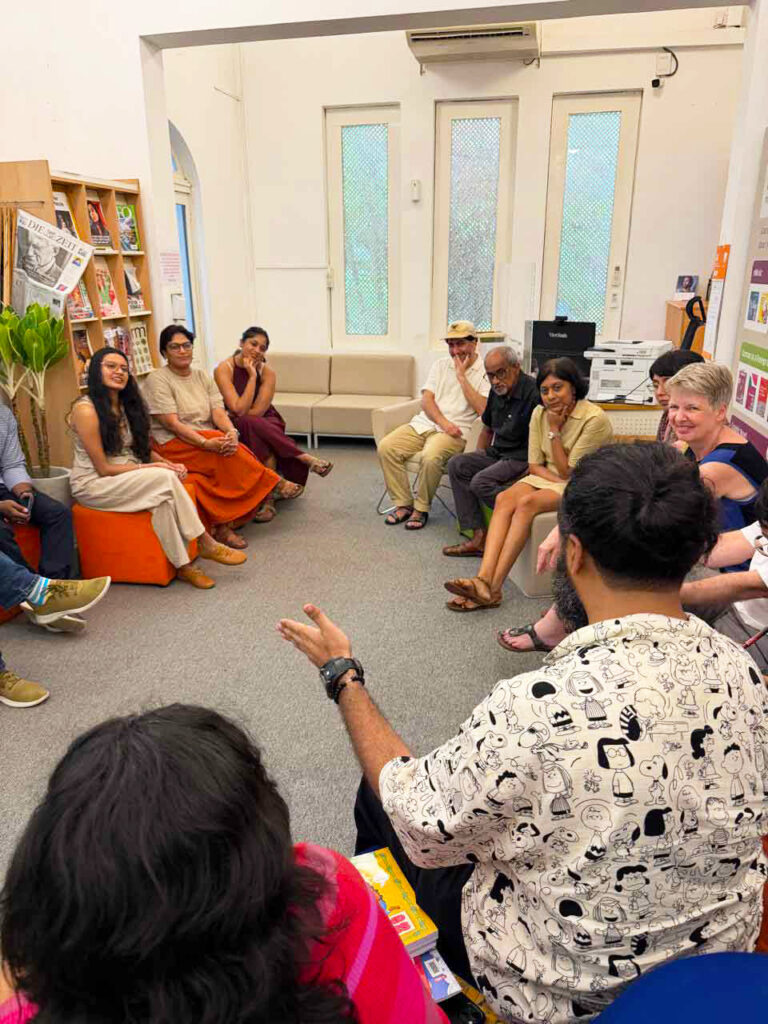
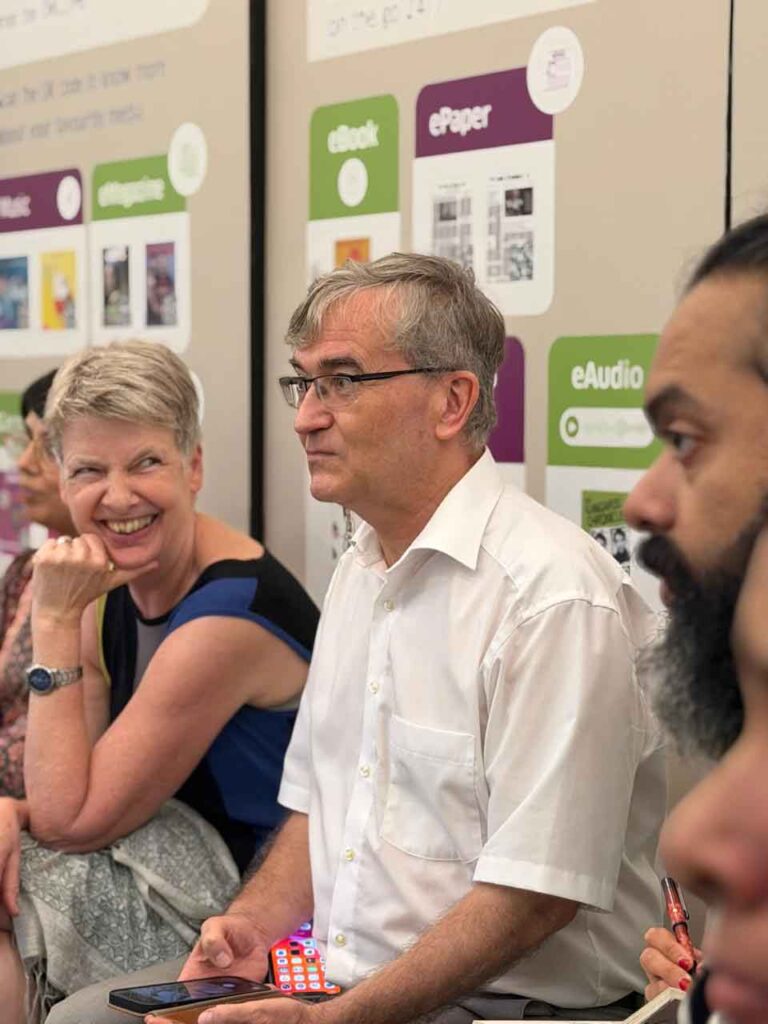
I shared Cartoon People’s journey with the comics artists in Colombo: building a community from scratch, creating opportunities for artists and slowly developing an ecosystem around comics, even when there was no clear roadmap.
Meeting Bea Davies, creator of Super-GAU, and Hamed Eshrat, creator of Coming of H, was a real joy.
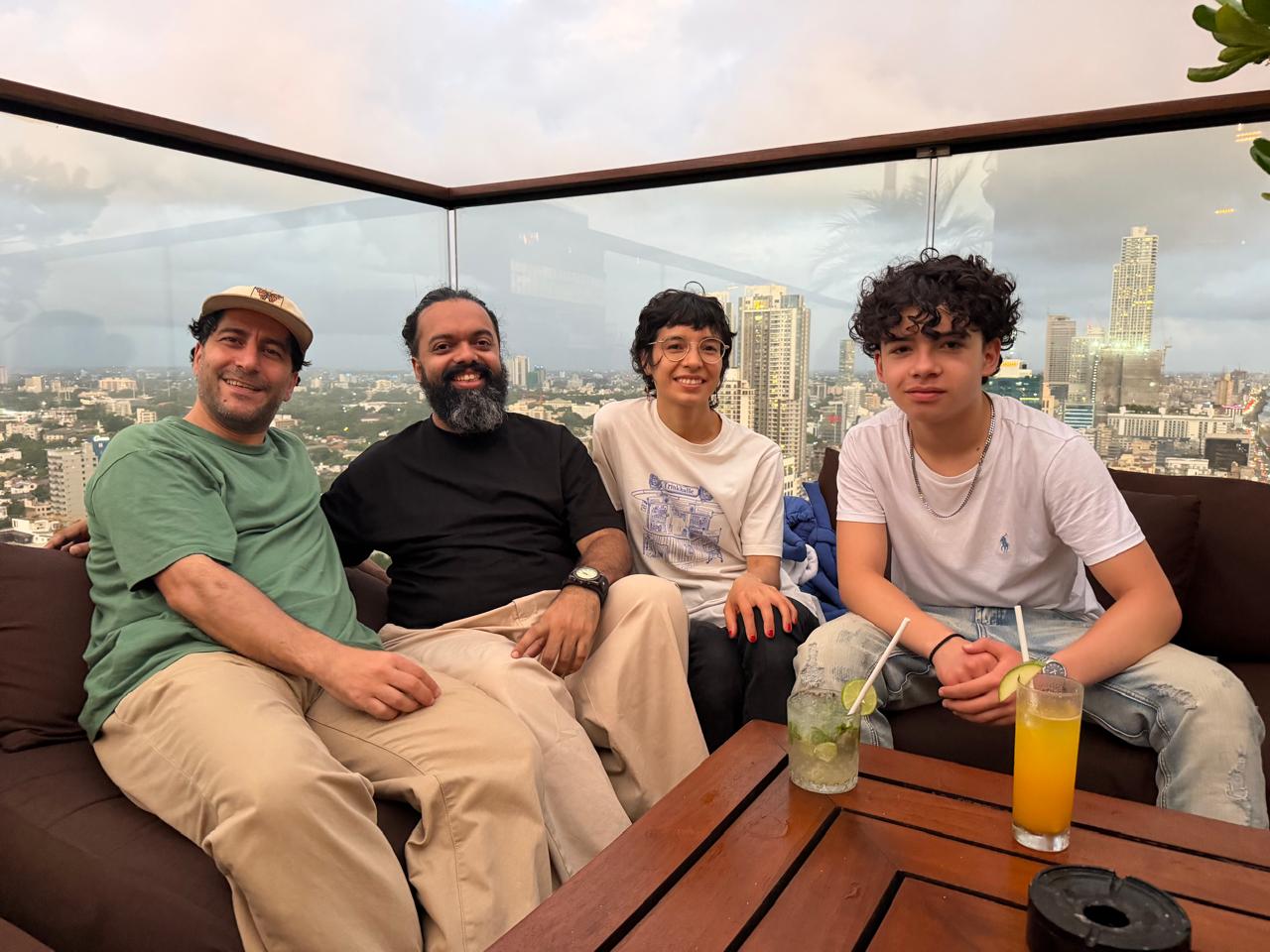
After long workshop days, we often ended up talking for hours in the hotel lobby or by the pool, swapping stories about making comics in our countries. Germany has more established publishing infrastructure and better funding, but making a living as a comics artist is hard almost everywhere. Bea talked about how difficult it was to get her early work published, and Hamed shared advice from his experience working with publishers and younger artists.
Those conversations changed how I saw our own work. For years I had been building a publishing house and a comics ecosystem in Bangladesh without really knowing how we compared with creators elsewhere. I came away feeling that we weren’t as far behind as I had imagined. We were walking a similar path, facing the same struggles and figuring things out as we went. It also reminded me how much Bangladeshi comics have to offer the world.
Bringing Super-GAU to Bangla readers
One of the best outcomes of Graphic Passages was that Cartoon People acquired the rights to translate and publish Super-GAU.
Until then, most of our work had been publishing stories by Bangladeshi creators. Now we had the chance to bring a graphic novel from another part of the world to Bangla readers in their own language. I’ve always believed our comics scene can’t grow by looking inward alone. We need to read and learn from the best graphic storytelling being made elsewhere, just as we need to share our own stories with the world.
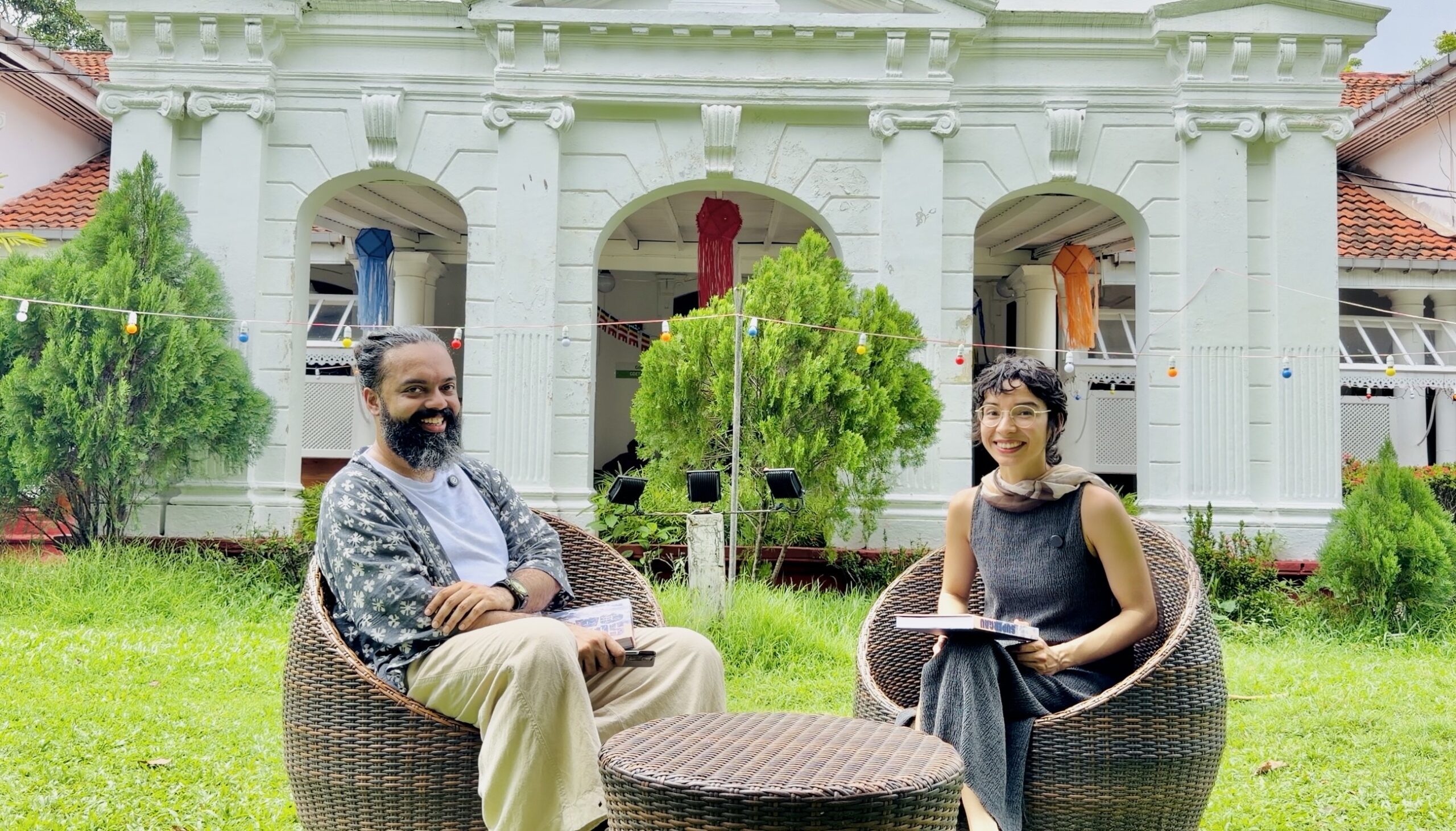
The Bangla edition of Super-GAU is now in production, and we’re planning a launch with a talk and workshop in Dhaka. I’ll share the date and details here once they’re confirmed.
My thanks to the Goethe-Institut teams for bringing us together, to Bea Davies and Hamed Eshrat, to Ikroop Sandhu and Imran Azhar, to my favourite translator Amrita Dhara, and to everyone else who brought their curiosity and expertise to the workshops.
And to everyone making comics, publishing them and finding new readers: our stories deserve to travel.
Rashad Imam Tanmoy
Founder and Editor-in-Chief, Cartoon People Comics
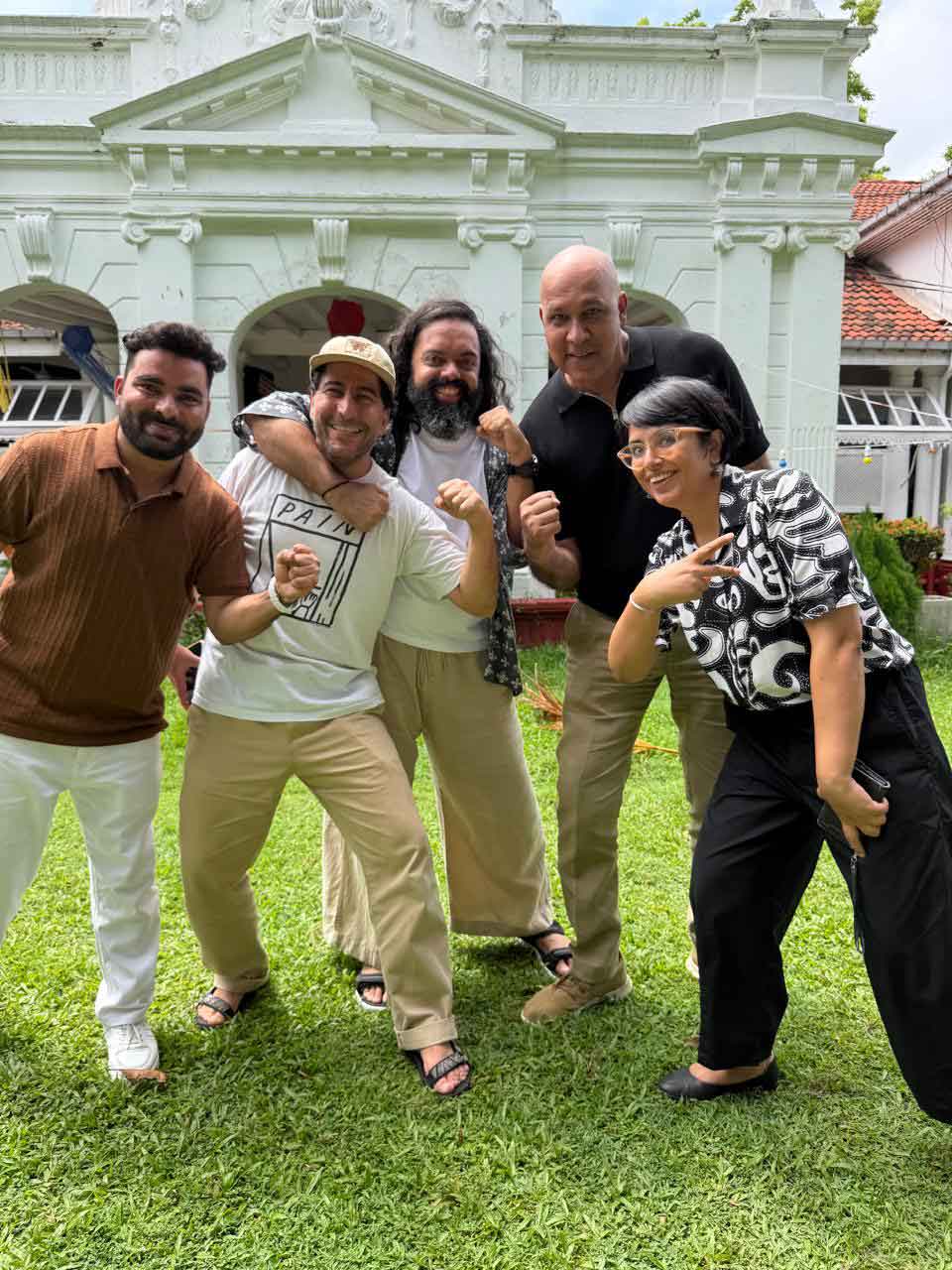
Photo courtesy: Kazi Moriom Tonima